
Fall in Western North Carolina: Cozy Reading and Nature Activities for Kids
I can finally feel fall in the air!!!
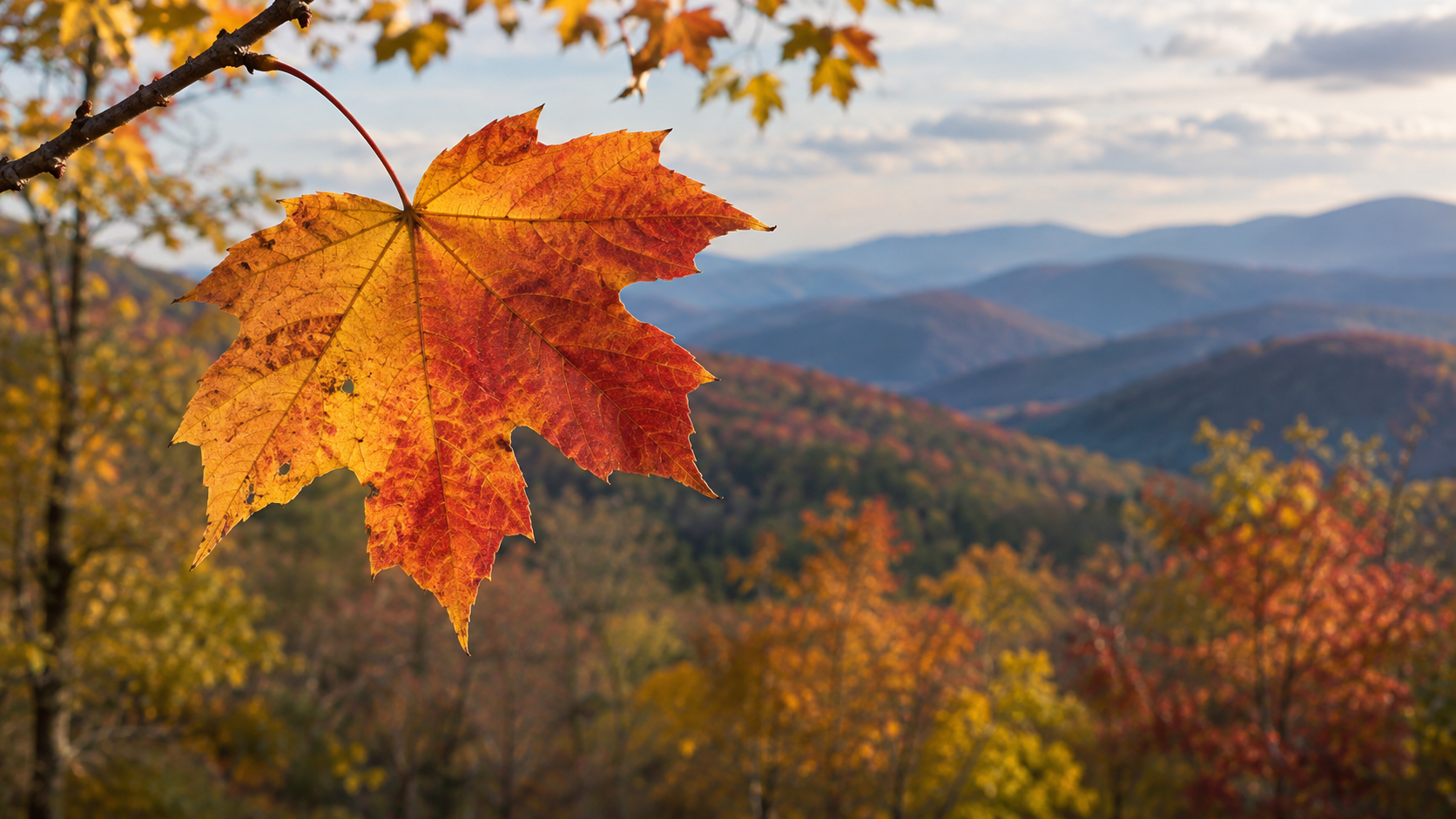
Here in western North Carolina, the leaves are turning colors and the woolly caterpillars are out. Those small, familiar signs make me want to linger a little longer outside, look more closely at what is changing, and carry some of that autumn feeling back indoors.
There is something about this season that makes a book feel especially inviting. Maybe it is the thought of settling into a comfortable chair while the world changes beyond the window. Maybe it is the colors, the rustle of leaves, or the way an ordinary afternoon can suddenly feel like the setting for a story.
As a children’s author, I find so much inspiration in those details. A small creature making its way through fallen leaves can set my imagination wandering. Where is it going? What might it meet? What would that journey look like if the traveler could tell us about it?

Fall offers so many beginnings.
If you are looking for fall reading activities for kids, autumn nature activities, or a few cozy ways to spend time together, this is a lovely place to start: with what is already happening outside your door.
For me, the season brings together many of the things I love sharing here at The Story Nook—children’s books, nature, imagination, kindness, and the quiet discoveries that happen when we give ourselves time to notice.
The leaves turning here in western North Carolina are a reminder that a familiar place can keep surprising us. A tree we pass regularly becomes worth another look. The ground changes color. Something small moves where, a moment ago, we saw only a scatter of leaves.
Children often notice those things before we do.
They stop for the caterpillar. They want to know why one leaf is still green while another is yellow. They find the tiniest acorn and immediately have plans for it.
I love that kind of attention. It is useful to a writer, too. Before a story becomes words on a page, there is often something that catches our interest and makes us wonder.

A question about autumn leaves can lead to a little science. As the days shorten, leaves stop making as much of the green pigment called chlorophyll. As that green fades, yellow and orange pigments become easier to see. The National Oceanic and Atmospheric Administration’s explanation of changing leaf colors is a helpful starting point for curious readers.
Then imagination can take its turn.
What if a leaf were trying to choose its favorite color? What if the last green leaf had a very good reason for staying green? What if a tiny animal collected fallen leaves the way we collect favorite books?
There is room to learn what is happening and to imagine a story about it. I enjoy giving children both opportunities.
And then there are the woolly caterpillars.
Seeing them out and about is one of those little seasonal details that makes fall feel present. They look like creatures an illustrator might invent: small, fuzzy travelers with somewhere to be.
The familiar black-and-rust banded woolly bear is the caterpillar of the Isabella tiger moth. In autumn, these caterpillars search for sheltered places to spend the winter. Their wandering has a practical purpose, even if, to a watching child, it might look like the beginning of an expedition.
You may also have heard the old belief that a woolly bear’s bands predict how severe winter will be. According to the National Weather Service, those markings don’t really forecast the coming winter. But it’s still fun to make believe things like that.
That gives us something interesting to talk about with children: an animal can be part of seasonal folklore and also have a real life we can learn about.
We can ask, “What have people said about this caterpillar?” Then we can ask, “What do we know about it?”
And, if we are feeling particularly imaginative, “What story would the caterpillar tell about us?”
Perhaps we would be the enormous creatures who kept stopping in the middle of its very important journey.
That thought alone could keep a young storyteller busy for quite a while.
The natural world gives children so much to work with: characters, settings, questions, sounds, colors, and problems waiting to be solved. A fallen branch becomes a bridge. A curled leaf becomes a roof. A patch of moss becomes a forest when you imagine yourself small enough.
Those changes in perspective are part of what I enjoy about writing children’s books.
In the world of The Moonkeeper’s Cat, the lighthouse, the sea, and the companionship between Alden and Miro create a place readers can imagine returning to. Miro, the curious white Maine Coon, brings his own interests and mischief into that world. If you have yet to meet him, you can visit his character introduction here.
When I think about an inviting story setting, I think about the details that make it feel lived in. Where would someone sit? What could they hear from the window? Who would come through the door?
Autumn invites those same questions closer to home.
Here are a few ways to turn that seasonal curiosity into reading, creating, and time together.

- Take a fall color walk and bring home a question. Choose a familiar place and see what looks different. A yard, a sidewalk, or a view from a window can offer plenty to notice.Invite children to look for several shades of the same color. Is every yellow leaf the same yellow? Can they find a leaf with more than one color? What words would they use to describe the trees?They might choose “golden,” “rusty,” “bright,” “speckled,” or a description entirely their own.Afterward, ask each child to choose one question to remember. Write it down together, or let them draw it.You could look for an answer in a library book, make another observation tomorrow, or use the question as the beginning of a story. Let their interest help decide what comes next.
- Start a woolly bear nature journal. A few sheets of paper folded together make a perfectly good autumn nature journal. Give it a title such as “Things I Noticed This Fall” and leave room for drawings, questions, and discoveries.If you spot a caterpillar, watch it where you find it. Notice its colors, the way it moves, and what surrounds it.Children can record the date and place, sketch what they saw, and finish the sentence, “I wonder…”A younger child might draw a fuzzy shape while a grown-up writes down their words. An older child might compare the observation with a field guide or a reliable nature resource.Keep observations and invented stories on separate pages. One page might say, “The caterpillar crawled beneath a leaf.” Another might begin, “Beneath the leaf was a tiny post office.”Both pages deserve space.
- Choose a fall read-aloud and follow one interesting detail. You might choose a picture book about changing seasons, a nonfiction book about insects, or a familiar animal story that everyone enjoys hearing again.Look at the cover together. What do the colors suggest? Where might the story happen? What has the illustrator made you curious about?During the reading, follow your child’s interest. Perhaps they notice a small animal in the background, a character’s worried expression, or a house they wish they could visit.Ask one question about that detail and see where it takes you.The conversation can be brief. Some evenings, the pleasure is simply hearing a favorite voice read a favorite book. On another day, that same book might lead to a drawing, an experiment, or twenty minutes of wondering about caterpillars.
- Turn a fallen leaf into a story character. Invite children to draw a leaf and give it a name. Then help them decide what their character wants.Does the leaf want to see what is beyond the garden? Is it looking for somewhere quiet to rest? Has it promised to deliver a message before sunset?A simple story needs a place to begin, something the character hopes to do, and a difficulty along the way.Try this opening: “The smallest leaf on the tree had been waiting all summer for an adventure.”What happens when the wind finally arrives?Children can tell the story aloud, make a comic, draw a sequence of pictures, or write a few sentences. If they ask you to write while they dictate, try to keep their own phrases. The unexpected wording is often part of the delight.
- Make a cozy autumn reading ritual. Choose a comfortable spot, put a small stack of books within reach, and decide when you would enjoy reading together.It could be after an afternoon walk, before bed, or during a quiet part of the school day. A cushion, an ordinary lamp, and a familiar book can make the space inviting.Let children help choose what belongs there. One might want an animal story. Another might bring a book of facts because the caterpillar outside has raised several urgent questions.You could keep a sheet of paper nearby for drawing or jotting down words you want to remember.Over time, let the little collection change with your interests. A reading corner can hold this week’s fascination, whether that happens to be autumn leaves, lighthouses, moths, or a character everyone wants to meet again.
- Let stories make room for mixed feelings. A changing season can bring excitement, disappointment, anticipation, and a wish for things to stay familiar. A child might love the falling leaves and miss the long afternoons of summer.Stories offer a place to explore those feelings through someone else’s experience.When a character faces a change, you could ask, “What do you think they will miss?” or “What might help them feel comfortable?”Offer time to answer, and accept a small answer. Some children will talk at length; others may return to the idea later while playing or drawing.A seasonal picture can hold more than one feeling, too. Invite children to draw something they are enjoying and something they are missing. They can share as much of the picture’s story as they wish.
- Create a little book of gratitude and kindness. Fold paper into a small booklet and invite children to remember specific moments from their day.Someone made space for them at the table. A friend waited while they tied a shoe. A grown-up listened to a long explanation about a very small creature.They can draw the moment, write a sentence, or tell you what to record.On another page, make room for something kind they would like to do. Perhaps they could invite someone into a game, make a bookmark for a friend, or help put away the supplies after an activity.Return to the booklet whenever there is something to add. Over time, it becomes a collection of people, places, and ordinary acts that mattered enough to remember.
For teachers and homeschool families, these autumn activities can connect several interests without requiring a complicated plan.
An observation outdoors can lead to descriptive words. A question can lead to research. A read-aloud can introduce a character facing a change. Drawing can give a child a way to explain an idea before they are ready to write it.
You might spread those invitations across a week. Observe on one day, read on another, and leave time later for making something.
You can also follow one unexpected interest for an entire afternoon. If the children are absorbed in a caterpillar, that may be where the best questions are waiting.
At home, the experience can be just as small and flexible. Talk about what you noticed while walking to the car. Read a few pages together. Leave paper on the table for the story someone is still thinking about.
I want children to have time to enjoy a season as well as learn about it.
They deserve an afternoon when a leaf is interesting simply because of its shape. They deserve a story they request again because they like the sound of it. They deserve room to invent a tiny house beneath a tree without having to explain what skill they are practicing.
That pleasure is part of what I hope to share through my books and the activities here on the blog.
If you would like something to accompany your next reading afternoon, visit the Magic Reading Nook. You can explore free coloring pages, reading activities, and creative prompts inspired by the stories and the spirit of curiosity that runs through this little corner of the internet.
Choose something that interests your reader, bring along a favorite book, and make room for whatever conversation follows.
As for me, I am enjoying the signs of fall here in western North Carolina: the changing leaves, the feeling in the air, and those woolly caterpillars making their way through a world that must look wonderfully enormous from down there.
I keep thinking about how much there is to notice before we ever sit down to write.
A color. A movement. A question.
Sometimes the beginning of a story is already crossing the path in front of us.
What are you noticing where you live? Have the leaves started turning? Are the woolly caterpillars out? And what book would you choose for a cozy autumn afternoon?
I would love to hear in the comments.
With autumn wonder and warm stories,

Discover more from The Story Nook with Devon
Subscribe to get the latest posts sent to your email.
